
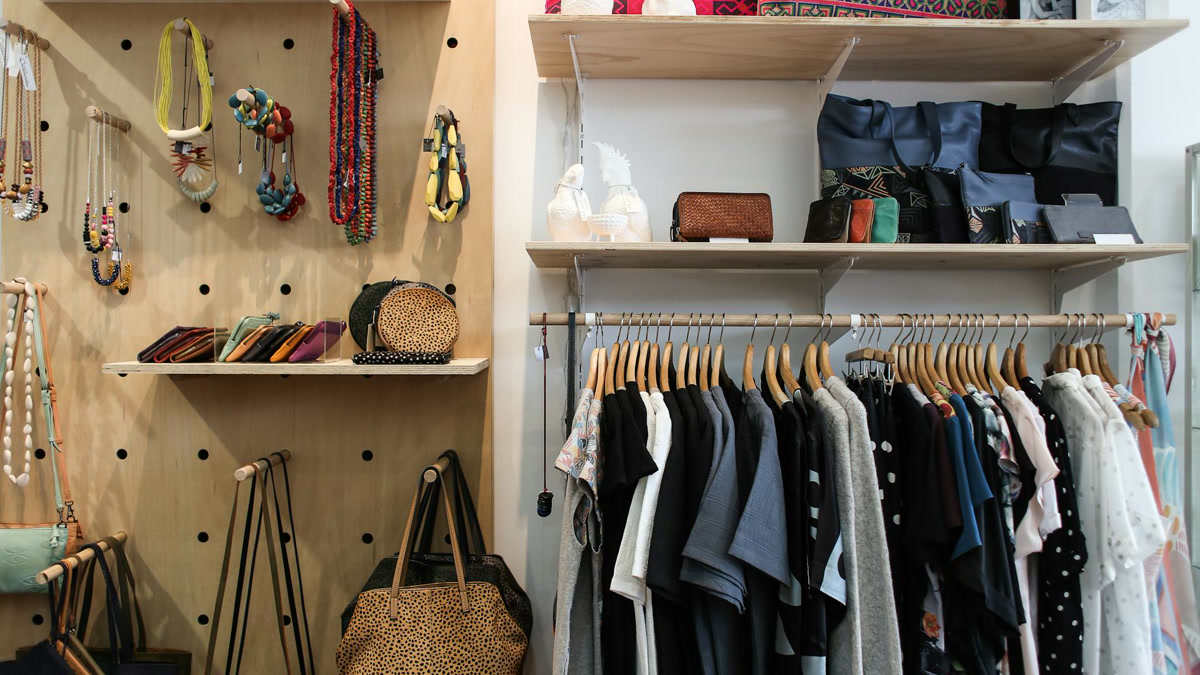
Clothing clutter rarely comes from having “too many clothes” in general. It usually comes from a small subset: items that almost fit, pieces waiting for a repair, duplicates bought in a rush, and garments kept out of guilt. A weekend reset can clear space without extreme minimalism by using one rule: every questionable item either gets a realistic mend plan or gets released.
Set up the weekend so it actually finishes
This system is designed to avoid the common trap of pulling everything out and running out of time. The goal is a completed decision for each item, not a perfect wardrobe.
- Choose a limit: one category per session (tops, trousers, knitwear, sports kit, etc.).
- Prepare three zones: KEEP, MEND, LET GO (bags/boxes are fine).
- Set a timer: 45–60 minutes per round, with a short break between rounds.
- Have basics ready: hangers, a lint roller, a marker, and a small repair kit.
- Plan the exit route: decide where donations will go and how they will leave the house.
If time is limited, start with the category that creates the most daily frustration (often trousers, bras, school uniforms, or work tops). Starting with pain points creates quick relief and makes finishing more likely.
The “Mend or Let Go” decision test
Hold one item at a time and ask three practical questions. If the answer is “no” to any, the item usually belongs in LET GO.
- Would it be worn within the next 30 days if it were clean and ready?
- Is the fix simple (button, hem, small seam, minor stain treatment) rather than a major rebuild?
- Does it fit current life (weather, work needs, lifestyle, comfort)?
When unsure, use a tie-breaker: if the same problem has been “meaning to be fixed” for more than three months, it is probably not a priority item. Keeping it only increases decision fatigue.
Build a realistic mend queue (and keep it small)
A huge “mending pile” is just clutter in a different container. The mend queue should be short enough to finish quickly.
Rule: keep only what can be completed in two short sessions (for example, 8–12 small repairs total). Everything else should be assessed for professional tailoring or LET GO.
- Green-light mends: loose buttons, minor hem drops, small holes, missing hooks, split seams.
- Yellow-light mends: zip replacement, significant alterations, or repeated repairs in high-stress areas.
- Red-light mends: fabric that is threadbare, elastic that has perished throughout, heavy pilling plus stretching, or stains that will not lift after treatment.
For each MEND item, attach a small note (masking tape works) listing the exact fix: “replace button”, “hem 2 cm”, “patch inner thigh”. Vague tasks tend to linger. Also include what is needed (thread colour, patch, hem tape) so the repair is not delayed by missing supplies.
Make KEEP items easier to wear
Clutter often returns because the remaining clothes are not arranged for daily use. Before putting items back, do quick maintenance that increases wear frequency.
- Hang by category (work tops together, casual tops together).
- Fold by visibility so that favourites are not buried.
- Create a “grab row” of go-to outfits (two work options, two casual options).
- Remove duplicates that serve the same purpose but fit worse.
- Store the awkward pieces elsewhere (formal wear, special-occasion items) so they do not crowd everyday choices.
As items go back, do a quick “ready to wear” check: if something needs ironing, stain treatment, or missing buttons, it belongs in MEND, not KEEP. A wardrobe full of “almost ready” items creates daily friction.
How to let go without second-guessing
Letting go is easier when it is tied to a clear standard rather than a mood. Use a simple release checklist.
- Donate if clean, wearable, and in good condition.
- Recycle if damaged but textile recycling is available.
- Rags/repurpose for cotton tees, towels, and worn basics.
- Bin only when fabric is contaminated, mouldy, or unsafe to handle.
For sentimental items, consider keeping one small box (with a firm size limit). Another option is a “memory photo”: photograph the item, note why it mattered, then release it. Sentiment can be honoured without giving up daily storage.
Schedule the end: the “Sunday finish” plan
The reset works when it ends with completed mends and removed bags leaving the home. Otherwise the piles simply move around.
- Saturday: sort one or two categories; build the mend queue; bag donations immediately.
- Sunday: complete mends (set a timer); return KEEP items to storage; take donations to the car or collection point.
- Monday: wear one freshly repaired item to reinforce the habit.
If Sunday time is tight, commit to a minimum finish: donations leave the house and the mend queue is reduced to a small, labelled pouch. A small finished reset beats a large unfinished one.
Next steps (keep the wardrobe light)
After the weekend, maintain the system with a five-minute rule: if a garment needs a small fix, either repair it the same day or place it in a tiny, dedicated mend pouch (no bigger than a handbag). When the pouch is full, schedule a 30-minute mend session and finish it before buying anything new.
Repeat the reset by category once per season. Small, finished decisions prevent clothing clutter from rebuilding.